Research and Engineering
Research and Engineering
Informaton's work falls into seven technical domains. They differ in subject matter, but they share one way of working: treat the problem as a system, build the software it needs, and verify the result.
Connecting theme
Systems engineering
Systems engineering is the connecting theme. Sleep recordings, seawater sensors, video timestamps and transaction records are different kinds of data, but each problem required the same steps: define requirements, integrate instruments and software, and verify outputs against known references. Domain F.
Domain A
Biomedical signal processing and computational research
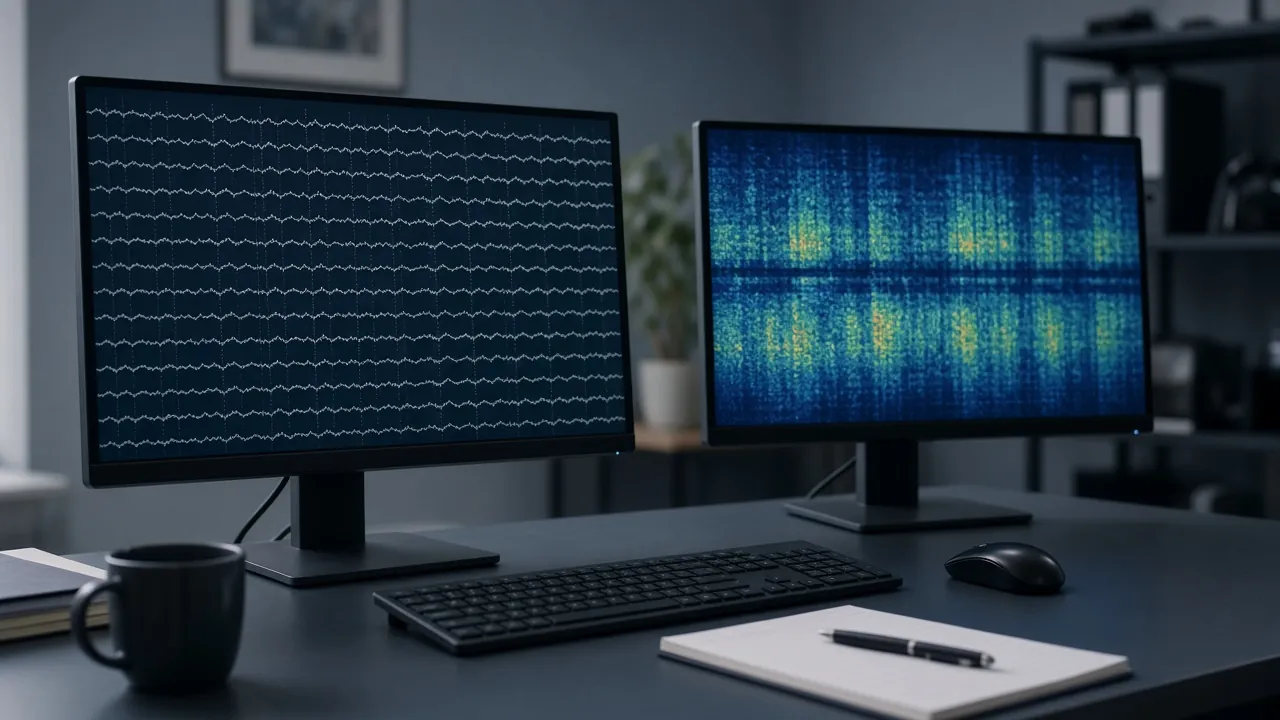
Overnight sleep recordings and other physiological data are long, multichannel and noisy. Research teams need reliable ways to detect events, characterize spectral content, prepare large datasets for analysis and turn signals into measures that can be compared across studies.
Methods
- Spectral and time-frequency analysis of EEG
- Event detection in polysomnography, including leg movements
- Machine-learning classification of physiological recordings
- Wavelet analysis of heart rate variability
- Dataset preparation, harmonization and quality control
Representative activities
- Narcolepsy classification software and computational methods
- Large-scale sleep research involving multiple research teams, including work associated with Jazz Pharmaceuticals
- EEG spectral analysis and signal-processing investigations
- Diabetes mellitus-related EEG investigations
- Periodic limb movement analysis and research-data preparation associated with the University of Wisconsin
- Algorithms for physiological time-series and biomedical data analysis
The emphasis is computational: algorithms, software and data infrastructure. Informaton does not provide clinical services.

Domain B
Medical algorithms and neonatal feeding analysis
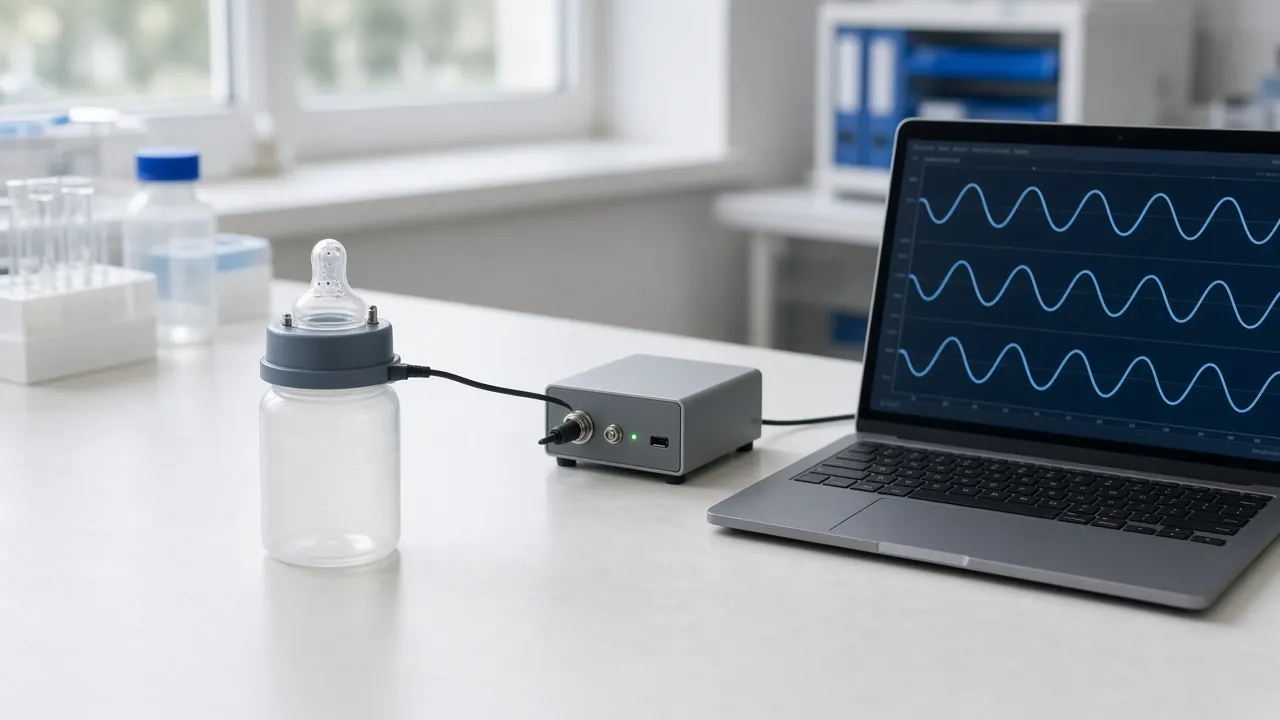
Feeding readiness and sucking behavior in premature infants are assessed from small, rhythmic physiological signals. Turning those measurements into consistent quantitative descriptions requires careful signal processing and evaluation against the research question.
Methods
- Physiological measurement and sensor signal conditioning
- Detection and characterization of rhythmic sucking patterns
- Algorithm development and experimental evaluation
Representative activities
- Development of computational methods for evaluating neonatal sucking and feeding behavior in premature infants, associated with nFant
This work concerned measurement and algorithms. Informaton does not provide medical care.
Domain C
Oceanographic instrumentation and environmental measurement
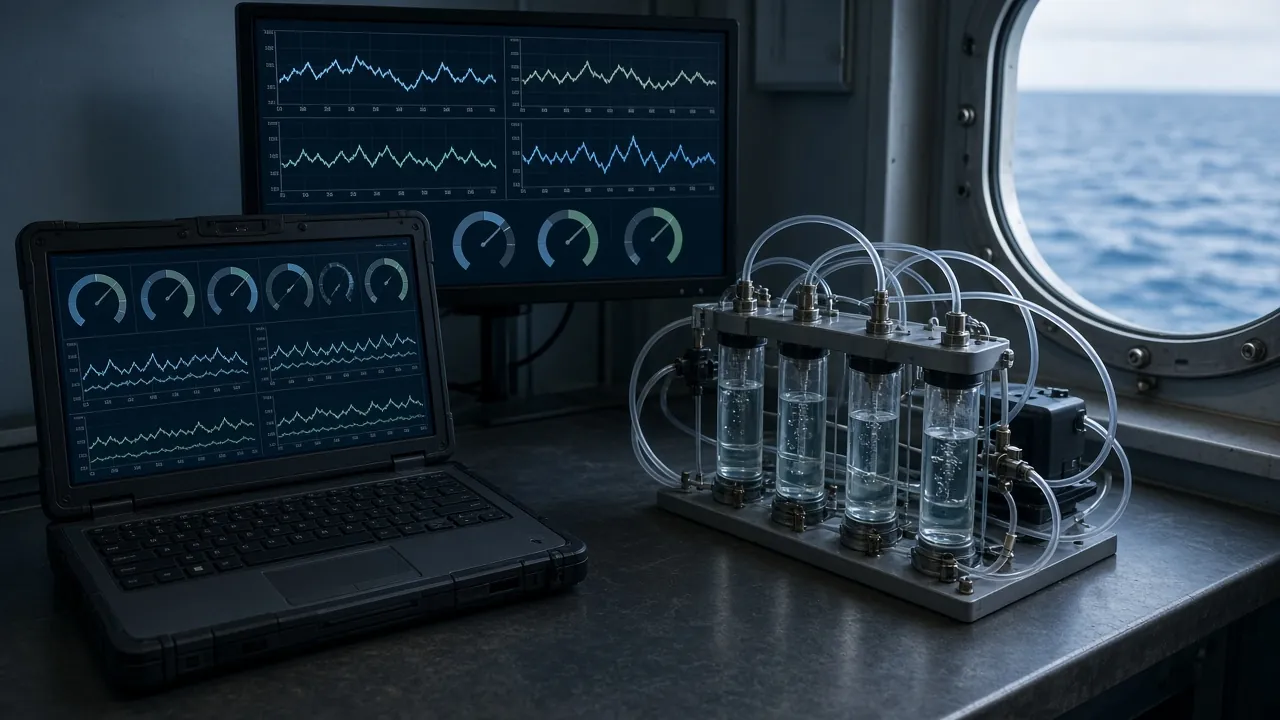
Measurements of seawater salinity, carbon dioxide-related conditions and ocean chemistry depend on instruments that must be controlled, tested and logged reliably. These measurements are relevant to coral reef health and wider environmental research.
Methods
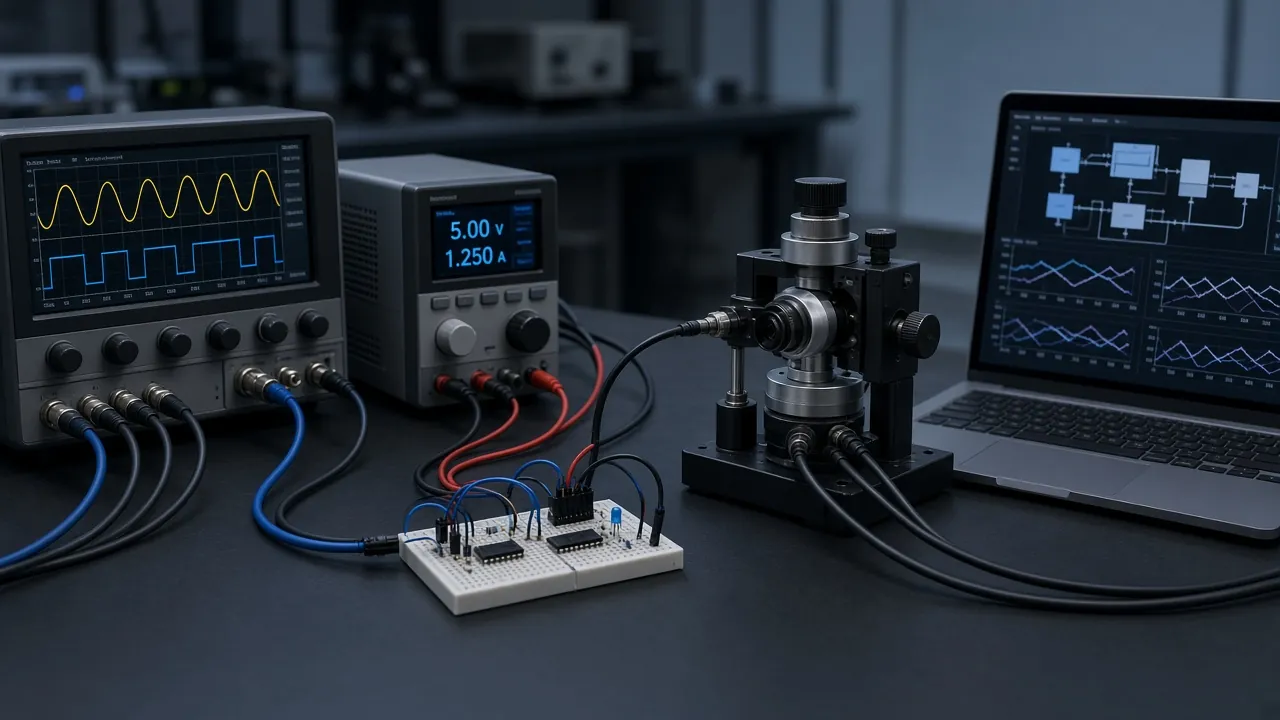
- Instrument control and test software
- Instrumentation integration and data acquisition
- Time-series logging and measurement support
Representative activities
- Development of experimental test and control software supporting oceanographic research associated with a Stanford laboratory
- Software supporting measurement of seawater salinity, carbon dioxide-related conditions and ocean chemistry
Informaton's role was software development, instrumentation integration, test and control systems, and measurement support. The vessels, instruments and laboratory were not Informaton's.

Domain D
Digital forensics, cybersecurity and data exploitation
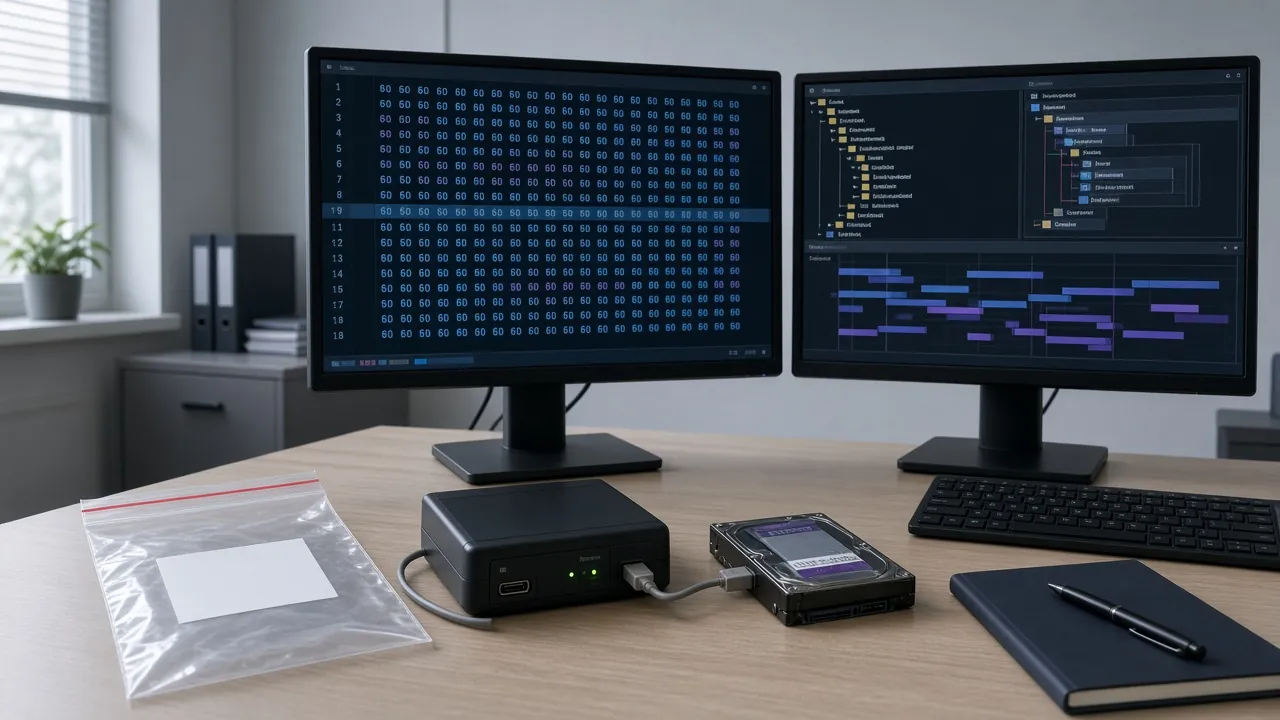
Digital records are fragmented across devices, formats and systems. Questions about what happened, and when, depend on extracting that data intact, processing it at scale and documenting each step.
Methods
- Data extraction, recovery and processing
- Integrity analysis of records and artifacts
- Computational and AI-assisted analysis of large record sets
- Development of specialized forensic software
Representative activities
- AI-assisted and computational data exploitation
- Technical support for private investigations
- Digital evidence analysis
- Cybersecurity-oriented technical investigations
- Data extraction, processing and integrity analysis
- Research and development of specialized forensic software
Technical analysis only. Informaton does not hold or imply any law-enforcement authority.
Domain E
Digital evidence integrity and video verification
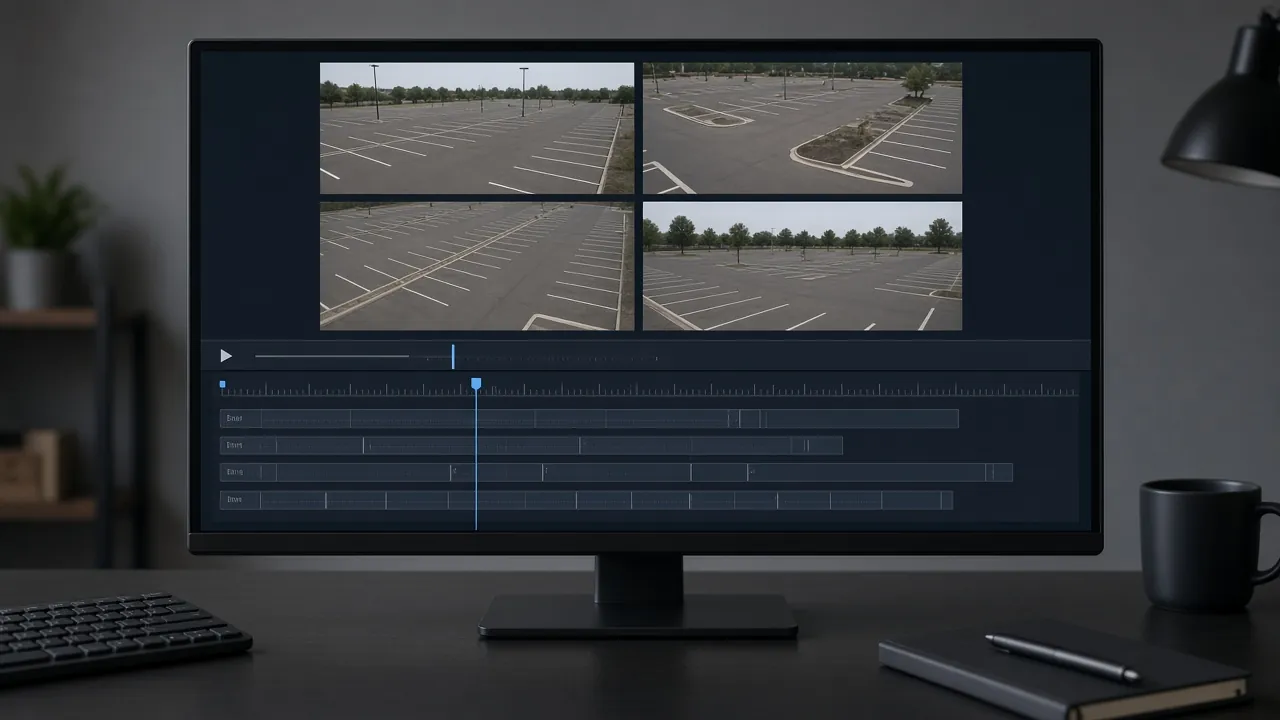
When video recordings are used in legal proceedings, their chronology and consistency matter. Timestamps from different devices and records can disagree, drift or be altered, and those differences need to be found and explained.
Methods
- Timestamp extraction and analysis
- Synchronization of multiple recordings and records
- Traceable, repeatable verification procedures
Representative activities
- Development of software to audit timestamps and associated data records, to help evaluate the consistency, chronology and integrity of video recordings used in legal proceedings
No claim is made that any tool has received judicial certification or has been used in court.
Domain F · connecting theme
Systems engineering and specialized software development
Research problems become engineering problems once data must be acquired, processed and trusted. Each of the other domains required requirements to be pinned down, components to be integrated and results to be verified before they could be used.
Methods and engineering activities
- Systems architecture and requirements analysis
- Specialized research software
- System integration and interface development
- Experimental design and technical evaluation
- Verification and validation
- Test automation and instrumentation control
- Data processing and analytical infrastructure
- Prototype development and feasibility studies
- Model development and evaluation
Domain G
Financial technology and transaction-system evaluation
Period: [CONFIRM: year this work began, if it should be shown]
Electronic payment and financial systems are large, distributed software systems. Their behavior, interoperability and reconciliation can be studied with the same methods used elsewhere: measurement, modeling and verification.
Methods
- Analysis of transaction processing and data reconciliation
- Study of payment network behavior
- Review of financial software architecture and platform interoperability
Representative activities
- Electronic financial transaction systems
- Payment network behavior
- Financial software architecture
- Transaction processing and data reconciliation
- Platform interoperability
- Technical and operational characteristics of financial services
Independent investigation. No proprietary products, commercial relationships or regulatory approvals are implied.