Organization
Sustained technical work across disciplines since 2014
Informaton's technical activities began in early 2014. Since then the work has moved across several disciplines: physiological time-series analysis for sleep research, measurement and control software for oceanographic instrumentation, algorithms for neonatal feeding research, and software for examining digital records and evidence.
The common thread is method. Each problem is approached as a system: define the measurement or research question, build the software and interfaces needed to answer it, and then verify that the result is correct and traceable. That work continues as independent research.
Research and engineering
Technical domains
 ABiomedical signal processing and computational researchAlgorithms and software for physiological time series, with a long record in sleep research.
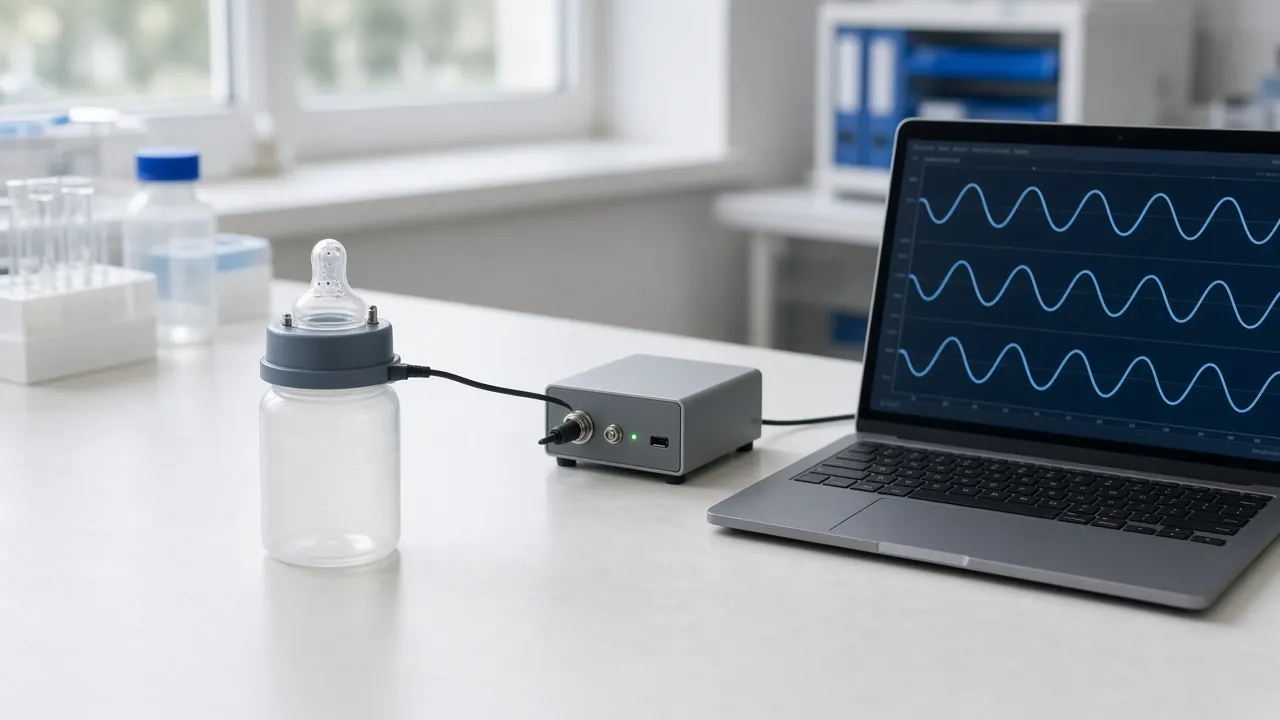 BMedical algorithms and neonatal feeding analysisComputational methods for evaluating sucking and feeding behavior in premature infants.
 COceanographic instrumentation and environmental measurementTest and control software for instruments measuring seawater chemistry.
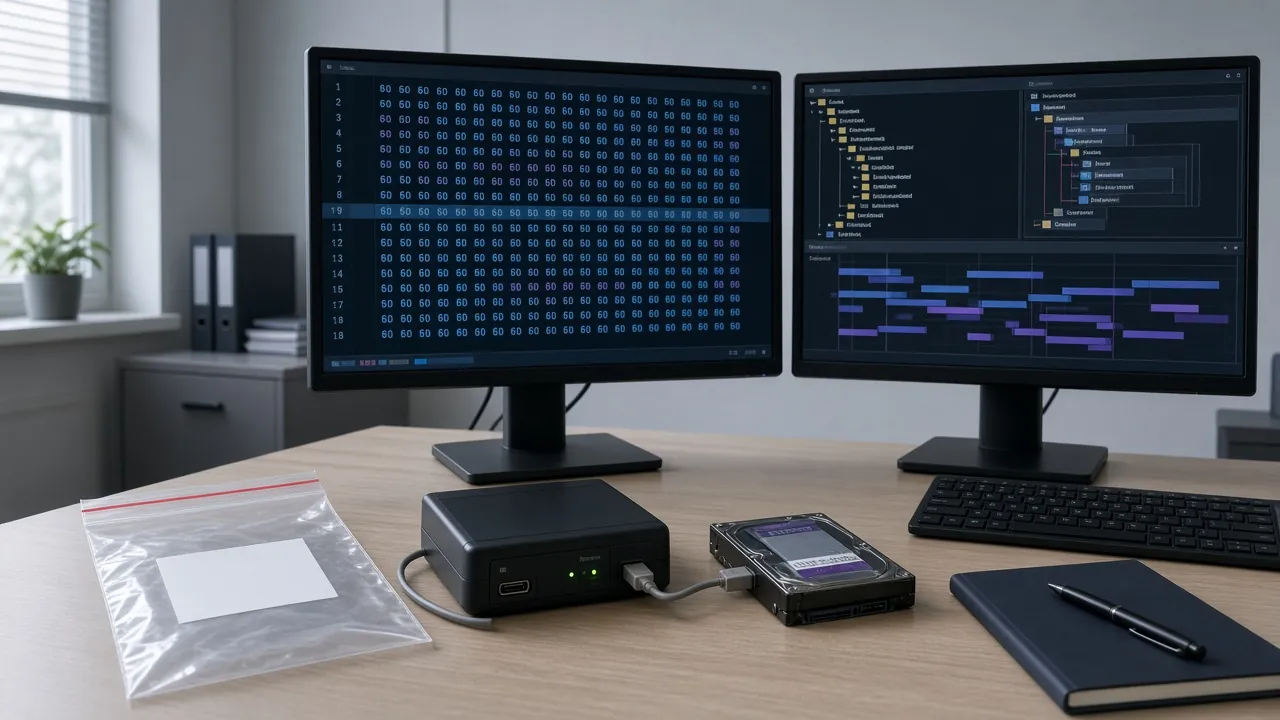 DDigital forensics, cybersecurity and data exploitationExtraction, processing and analysis of digital records and evidence.
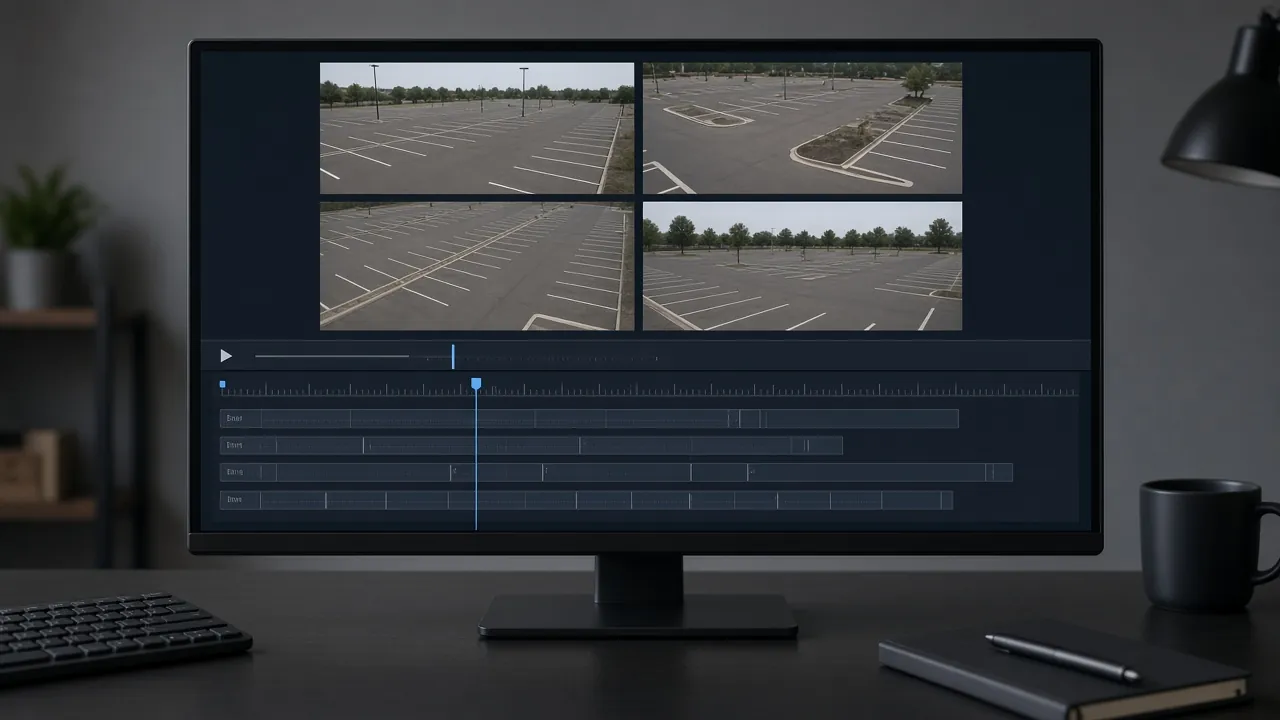 EDigital evidence integrity and video verificationSoftware for auditing timestamps and the chronology of video recordings.
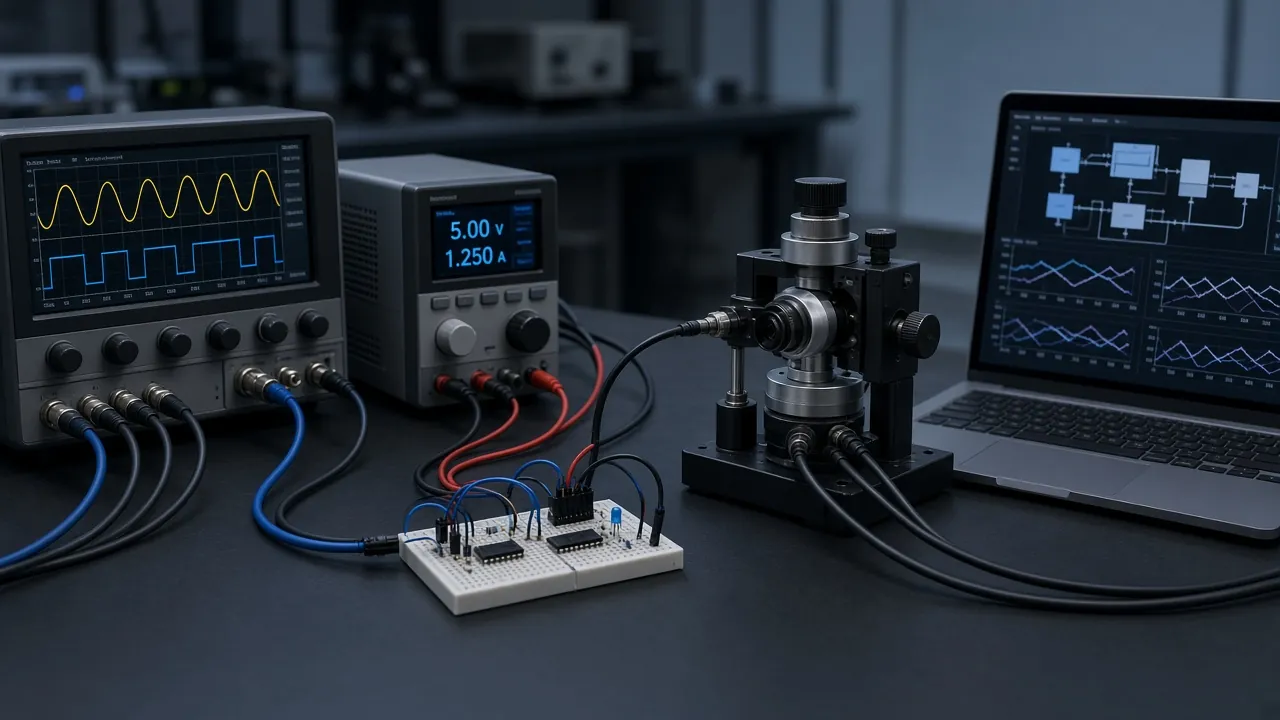 FSystems engineering and specialized software developmentThe practice that connects every other area: architecture, integration, verification.
 GFinancial technology and transaction-system evaluationA more recent area of independent technical investigation.
PortfolioSelected projectsRepresentative research software, algorithms, instrumentation software and technical evaluations since 2014.View projects →
Approach
How the work is done
Research questions first
Software and systems are built to answer a defined technical or scientific question.
Measurement and data
Close attention to how signals are acquired, synchronized, cleaned and stored.
Verification
Results are checked against reference data, independent methods and explicit assumptions.
Continuity
Methods developed in one domain are carried into the next.